
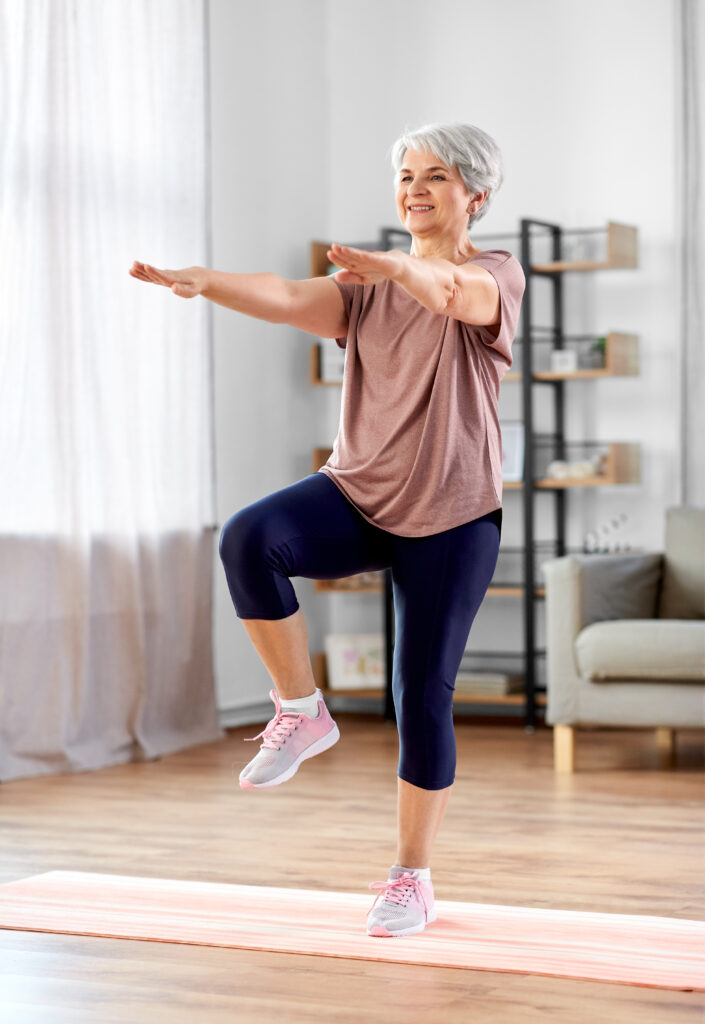
Staying active is important at any age, but it is especially vital for women over 60. The right exercises for women over 60 can boost strength, balance, and flexibility. In fact, safe workouts for seniors help prevent falls and keep you independent. This guide shares the best exercises for older women and offers senior fitness tips to help you get started safely. Let’s explore practical, safe, and effective ways to stay fit after 60.
Why Exercise Matters After 60
Regular exercise brings many benefits for women over 60. First, it helps keep your muscles strong. This makes daily tasks easier. Also, exercise improves balance and flexibility, which lowers the risk of falls. In addition, staying active can boost your mood and energy. Over time, you may notice better sleep and sharper thinking. Most importantly, exercise helps you stay independent and enjoy life longer.
Safety Tips Before Starting
Before you begin any new exercise routine, safety comes first. Here are some tips to help you exercise safely:
5 Best Exercises for Women Over 60
1. Chair Squats
Description: Stand in front of a sturdy chair with your feet hip-width apart. Next, slowly bend your knees and lower your body as if you are going to sit. Then, lightly touch the chair with your bottom and stand back up. Repeat 10 to 15 times.
Benefits: Chair squats strengthen your legs and hips. They also help improve balance and make standing up from a chair easier.
Tips: If needed, hold the back of the chair for support. Start with fewer repetitions and add more as you get stronger.
2. Wall Push-Ups
Description: Stand facing a wall, about an arm’s length away. Place your hands flat on the wall at shoulder height. Then, bend your elbows and lean your body toward the wall. Next, push back to the starting position. Repeat 10 to 15 times.
Benefits: Wall push-ups build strength in your arms, chest, and shoulders. They are gentle on your joints.
Tips: Keep your body straight. Move your feet closer or farther from the wall to adjust the difficulty.
3. Heel-to-Toe Walk
Description: Stand tall and place one foot directly in front of the other, heel to toe. Walk forward in a straight line for 10 to 20 steps. Use a wall or chair for balance if needed.
Benefits: This exercise improves balance and coordination. It helps lower the risk of falls.
Tips: Look ahead, not down at your feet. Go slowly and use support if you feel unsteady.
4. Seated Leg Lifts
Description: Sit tall in a sturdy chair with your feet flat on the floor. Slowly lift one leg straight out in front of you. Hold for a few seconds, then lower it. Repeat 10 times on each leg.
Benefits: Seated leg lifts strengthen your thighs and hips. They also help with walking and standing.
Tips: Keep your back straight. Do not rush the movement. Start with a few repetitions and add more as you improve.
5. Gentle Seated Stretch
Description: Sit in a chair with your feet flat on the floor. Reach both arms overhead and gently stretch to one side. Hold for a few seconds, then switch sides. Repeat 5 times on each side.
Benefits: This stretch improves flexibility in your back and sides. It also helps reduce stiffness.
Tips: Move slowly and breathe deeply. Do not force the stretch. Stop if you feel any pain.
How to Get Started and Stay Motivated
Starting a new exercise routine can feel challenging. However, small steps make a big difference. Here are some ways to build a habit and stay motivated:
Remember, consistency is key. Even gentle movement each day can lead to big health benefits over time.
According to the CDC and WHO, regular exercise is safe and helpful for most older adults. Still, everyone is different. Consult a physiotherapist or healthcare provider before starting any new exercise routine for personalized advice.