
Back and neck pain
Back and neck pain are very common, and most episodes aren’t caused by serious damage. Whether your pain came on suddenly, built up from long hours at a desk, started in sport, or keeps coming back, a physiotherapist at The Sports Doc assesses you in detail, explains what we find, and builds a plan around exercise therapy.
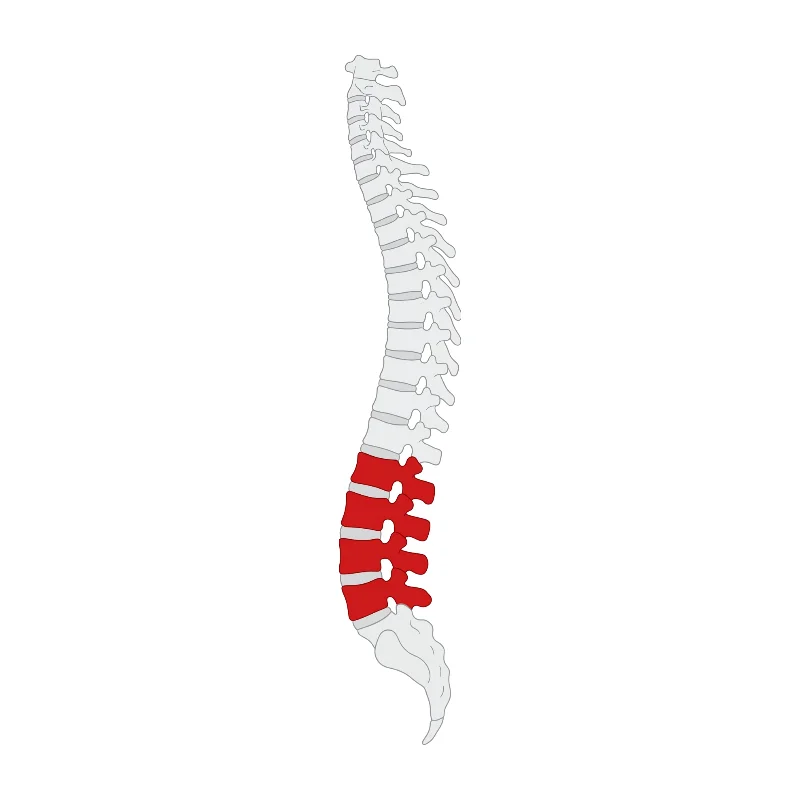
Back and neck injuries we commonly see or treat
-
Low back pain
Sudden or long-standing, including pain that keeps coming back.
-
Sciatica and disc-related leg pain
Pain, tingling or numbness spreading from the back into the leg.
-
Neck pain and stiffness
Including a “locked” or stiff neck, and pain linked to long hours at a desk or on screens.
-
Neck-related headaches
Headaches that start from the neck, sometimes with dizziness.
-
Arm pain from the neck
Pain, tingling or numbness spreading into the arm.
-
Whiplash
Neck pain after a car accident or sudden jolt.
-
Back pain in young athletes
Including stress injuries of the spine in cricket fast bowlers, gymnasts and other athletes who bend and twist repeatedly.
-
Recovery after spinal surgery
Such as disc surgery or spinal fusion. Post-surgical rehabilitation is a particular strength of our team.
Symptoms you might notice
- Pain or stiffness when bending, lifting, sitting or turning your head
- Pain, tingling or numbness spreading into your buttock, leg, shoulder or arm
- Muscle spasm, or feeling “locked” and unable to move freely
- Headaches that start at the back of your head or neck
- Pain that’s worse after long periods of sitting, driving or screen work
- Worry about moving, bending or exercising in case it makes things worse
These symptoms can have many causes. A proper assessment helps work out what’s going on, and in most cases it is reassuring.
How we assess your back or neck
Your first visit isn’t run to a fixed clock. We take the time to understand you and your pain.
-
Your story
How the pain started, what makes it better or worse, your work, sport, sleep and stress, and what you want to get back to.
-
Safety screening
Questions and checks for the rare signs that need a doctor’s attention.
-
Movement and strength testing
How your spine, hips and shoulders move and take load.
-
Nerve checks
Sensation, strength and reflexes in your arms or legs, where needed.
-
A clear explanation and a written plan
What we think is happening, what we’ll work on, and how we’ll measure progress.
Most back and neck pain doesn’t need a scan. If we think you need one, or a doctor’s opinion, we’ll tell you and explain the next steps.
How we treat it
Comes first
Exercise therapy
International guidelines recommend exercise and staying active as the main treatment for back and neck pain. Your physiotherapist prescribes and progresses a programme that suits you, to build strength, movement and confidence.
Understanding your pain is part of treatment too. We explain what’s happening in plain language, so you can move with confidence rather than fear.
Depending on your assessment, we may add
- Mulligan mobilisations (SNAGs and mobilisation with movement): a hands-on technique in which your physiotherapist applies a gentle, sustained glide to a spinal joint while you move. Used alongside exercise, it may help ease pain and improve movement, and is sometimes used for neck-related headaches and dizziness
- Other manual therapy: hands-on techniques, including joint mobilisation and soft-tissue work, to ease pain and help you move
- Dry needling for tight, painful muscles
- High-intensity laser therapy, used alongside exercise
- Return-to-sport and return-to-work training in our Performance Lab
Not every treatment suits everyone. Your physiotherapist will explain what they recommend and why.
Typical recovery phases
Every person is different. These phases are a general guide, not a timetable. We move you on when you meet the goals for each phase, not by the calendar.
-
Phase 1
Calm
Ease pain and spasm, and keep moving within comfort.
-
Phase 2
Move
Restore normal, confident movement of your spine.
-
Phase 3
Strengthen
Build strength and endurance in your back, neck, hips and trunk, progressed step by step.
-
Phase 4
Return and stay well
Get back to sport, work and daily life, with a plan to help you manage any future flare-ups.
Many episodes of back and neck pain settle well. Some take longer or come back, and your physiotherapist will talk you through what to expect for your situation.
When to see a doctor urgently
Physiotherapy isn’t the right first step for some back and neck problems. Seek urgent medical care: reach out to the nearest hospital or connect with your treating surgeon if:
With back pain:
- You have new difficulty passing urine, or loss of control of your bladder or bowels
- You have numbness around your back passage, genitals or inner thighs (the “saddle” area)
- You have weakness in one or both legs that is getting worse, or numbness in both legs
- Your back pain comes with fever or feeling very unwell
- Your back pain follows a significant fall or accident, or a minor fall if you have weak bones (osteoporosis)
With neck pain:
- Your neck pain follows a fall, accident or blow to the head
- You have a sudden, severe headache unlike any before, or dizziness, double vision, slurred speech, difficulty swallowing, or drooping of the face
- You have clumsy hands, numbness in both arms, or problems with walking or balance
- You have fever with a stiff neck, or a rash
Back or neck pain with unexplained weight loss, pain that is constant and severe at night, or a history of cancer should also be checked by a doctor promptly.
Who will treat you
Back and neck rehabilitation is led by our team of qualified physiotherapists.
Back and neck questions
Can’t find your answer? Ask us on WhatsApp
Do I need an MRI?
Usually not. Most back and neck pain can be assessed without a scan. Scans often show changes such as disc bulges that are common in people without any pain, so they don’t always explain your symptoms. If we think you need one, we’ll explain why and what the next steps are.
Should I rest until the pain settles?
Gentle movement and staying as active as you comfortably can usually helps more than bed rest. Your physiotherapist will guide you on what’s safe for you.
Is my posture causing my pain?
There’s no single “correct” posture. Staying in any one position for a long time can make you stiff and sore. Changing position regularly and staying strong usually helps more than holding a “perfect” posture.
What are Mulligan mobilisations?
A hands-on technique in which your physiotherapist gently glides a spinal joint while you move. It should be pain-free. It’s always used alongside exercise, not instead of it.
My back pain keeps coming back. Can you help?
Recurring back pain is common. We’ll look at what triggers your flare-ups and build a strength and activity plan to help you manage them.
Book a back or neck assessment
Call, WhatsApp or book on Practo. Visit us at The Sports Doc Worli (Midas), or at our members-only branch at NSCI Worli.