
Elbow and wrist pain
Your elbows and wrists are involved in almost everything you do with your hands, from typing and lifting to gripping a bat or racquet. Whether you have tennis elbow, a sprained wrist, or stiffness after a fracture, a physiotherapist at The Sports Doc assesses you in detail, explains what we find, and builds a plan around exercise therapy.
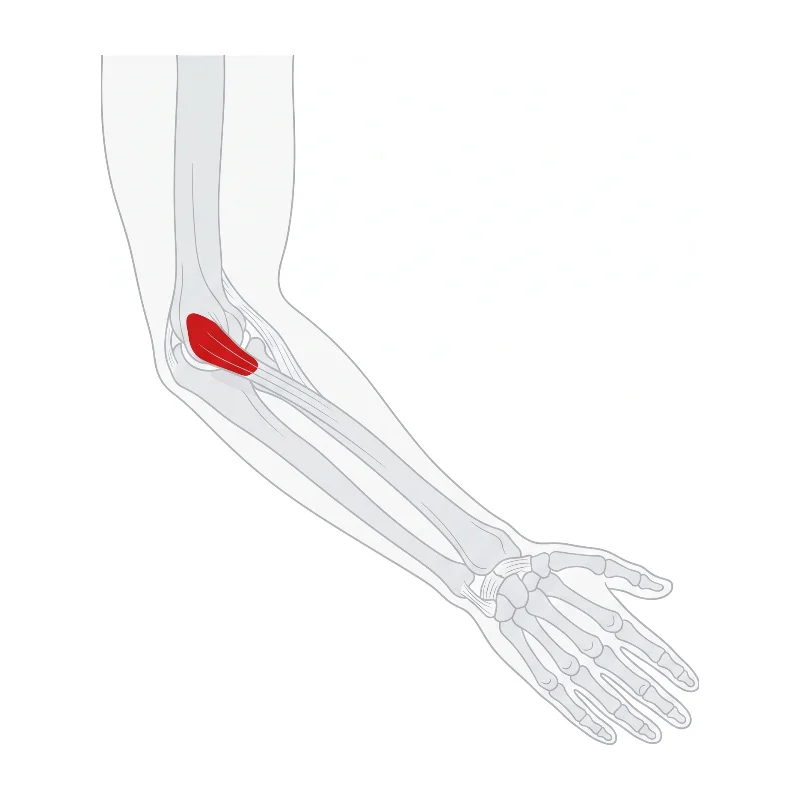
Elbow and wrist injuries we commonly see or treat
-
Tennis elbow
Pain on the outside of the elbow when gripping, lifting or typing, and not just in tennis players.
-
Golfer’s elbow
Pain on the inside of the elbow when gripping or lifting.
-
Throwing and racquet sport injuries
Elbow and wrist pain in cricket, tennis, badminton and gym training.
-
Wrist sprains
After a fall onto an outstretched hand, or a sporting injury.
-
Pain on the thumb side of the wrist
De Quervain’s: often worse when lifting, gripping or holding a baby.
-
Pain on the little-finger side of the wrist
Common in racquet sports, gym training and weight-bearing on the hands.
-
Tingling and numbness in the fingers
Such as carpal tunnel syndrome, often worse at night or when gripping.
-
Recovery after a broken elbow or wrist
After a cast or surgery, to restore movement, strength and grip.
-
Recovery after elbow and wrist surgery
Including fracture fixation. Post-surgical rehabilitation is a particular strength of our team.
Symptoms you might notice
- Pain on the outside or inside of your elbow when gripping, lifting or turning a door handle
- Weakness in your grip, or dropping things
- Wrist pain when pushing up from a chair, doing a push-up or lifting
- Stiffness, or difficulty fully bending, straightening or turning your elbow or wrist
- Clicking or catching in the wrist
- Tingling or numbness in your fingers, especially at night
These symptoms can have many causes, including problems that start in the neck. A proper assessment helps work out what’s going on.
How we assess your elbow or wrist
Your first visit isn’t run to a fixed clock. We take the time to understand you and your pain.
-
Your story
How the problem started, what makes it better or worse, your work, sport and daily activities, and what you want to get back to.
-
Safety checks
After a fall, we check whether you need an X-ray to rule out a fracture.
-
Movement and strength testing
Elbow and wrist movement, grip strength, and how your shoulder and neck work with your arm.
-
Specific elbow and wrist tests
Gentle hands-on checks of the tendons, ligaments, joints and nerves.
-
A clear explanation and a written plan
What we think is happening, what we’ll work on, and how we’ll measure progress.
If we think you need a scan or a doctor’s opinion, we’ll tell you and explain the next steps.
How we treat it
Comes first
Exercise therapy
Current guidelines support a progressive exercise programme as a core treatment for elbow tendon pain, and exercise is central to recovering movement and strength after wrist injuries and fractures. Your physiotherapist prescribes and progresses a programme to rebuild strength, grip and confidence.
Depending on your assessment, we may add
- Mulligan mobilisations: a hands-on technique in which your physiotherapist applies a gentle, sustained glide to the joint while you move or grip. Used alongside exercise, it may help ease pain, particularly in tennis elbow
- Other manual therapy: hands-on techniques for the elbow, wrist, forearm and neck, to ease pain and help you move
- Taping, bracing or splinting advice: to support and offload a painful tendon or joint while it recovers
- Dry needling for tight, painful forearm muscles
- Shockwave therapy: sometimes used for long-standing elbow tendon pain that hasn’t settled with exercise alone
- High-intensity laser therapy, used alongside exercise
- Workstation and technique advice: for computer work, lifting, and your grip or technique in sport
- Return-to-sport training in our Performance Lab, including throwing and racquet sports
Not every treatment suits everyone. Your physiotherapist will explain what they recommend and why.
Typical recovery phases
Every elbow and wrist is different. These phases are a general guide, not a timetable. We move you on when you meet the goals for each phase, not by the calendar.
-
Phase 1
Settle
Calm pain, adjust the activities that aggravate it, and protect the injured area where needed.
-
Phase 2
Restore
Regain elbow and wrist movement.
-
Phase 3
Strengthen
Build grip, forearm, wrist and shoulder strength, progressed step by step.
-
Phase 4
Return
Work-, sport- and activity-specific training to guide your return to full activity.
Tendon pain such as tennis elbow often settles gradually over several months. Your physiotherapist will talk you through what to expect for your situation.
When to see a doctor urgently
Physiotherapy isn’t the right first step for some elbow and wrist problems. Seek urgent medical care: reach out to the nearest hospital or connect with your treating surgeon if:
- After a fall, your elbow or wrist looks deformed, or you suspect a broken bone
- After a fall, you can’t fully straighten or turn your elbow, or you have pain at the base of your thumb (some wrist fractures don’t show on the first X-ray)
- Your hand or fingers become numb, pale, cold or blue, especially after an injury or in a cast
- You have increasing pain, or a cast that feels too tight, after a fracture or surgery
- Your elbow or wrist becomes hot, red and swollen, especially with a fever or feeling unwell (a possible sign of infection)
- You have new weakness or numbness in your hand or arm that is getting worse
- You have arm pain with chest pain, breathlessness or sweating, as arm pain can sometimes come from the heart
- After surgery, your wound becomes red, hot, leaks fluid or smells
Elbow or wrist pain with unexplained weight loss, a lump, or a history of cancer should also be checked by a doctor promptly.
Who will treat you
Elbow and wrist rehabilitation is led by our team of qualified physiotherapists.
Elbow and wrist questions
Can’t find your answer? Ask us on WhatsApp
I don’t play tennis. Can I still have tennis elbow?
Yes. Most people with tennis elbow don’t play tennis. It’s common with repeated gripping, lifting and computer work.
Should I have a steroid injection for tennis elbow?
Research suggests injections may ease pain in the short term, but people who had them were more likely to have their pain come back over the following year than people who had physiotherapy or waited. Injections are given by doctors, and it’s worth discussing the pros and cons with yours.
Should I wear a brace or strap?
A brace or strap can help offload a painful tendon for some people, particularly during work or sport. Your physiotherapist will advise whether it suits you, and it’s used alongside exercise.
My wrist is stiff after a fracture. Will it improve?
Stiffness and weakness are common after a wrist fracture. A structured exercise programme aims to restore movement, grip and confidence. Your physiotherapist will explain what to expect for your fracture and treatment.
What are Mulligan mobilisations?
A hands-on technique in which your physiotherapist gently glides the joint while you move or grip. It should be pain-free. It’s always used alongside exercise, not instead of it.
Book an elbow or wrist assessment
Call, WhatsApp or book on Practo. Visit us at The Sports Doc Worli (Midas), or at our members-only branch at NSCI Worli.